Ledger Cold Wallet Phishing Protection: Complete Defense Guide
Ledger Cold Wallet Phishing Protection addresses the most common attack vectors targeting cryptocurrency users, which focus on deceiving users rather than breaking technical security.
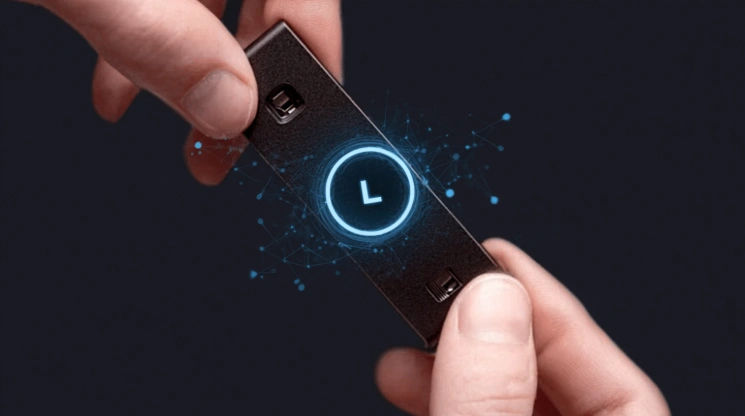
Ledger Cold Wallet Phishing Protection addresses the most common attack vectors targeting cryptocurrency users, which focus on deceiving users rather than breaking technical security. Phishing, malware, and scam attacks attempt to trick users into revealing recovery phrases, downloading fake apps, or approving malicious transactions. Understanding these threats and protective measures enables users to maintain security against social engineering attacks that technical protections alone cannot prevent.
Ledger Cold Wallet Malware Protection and Ledger Cold Wallet Scam Protection work together with hardware security to create comprehensive defense against the full spectrum of cryptocurrency threats. The hardware wallet architecture provides technical protection while user awareness prevents social engineering attacks. Unlike Trezor or KeepKey with similar user-side vulnerabilities, Ledger provides extensive documentation and genuine check systems to help users verify authenticity. This page covers common attack types, recognition strategies, and protective practices for complete crypto security.
Protection Against Phishing, Malware, and Scams
Ledger cold wallet phishing protection begins with understanding that attackers target users rather than hardware security. Phishing emails, fake websites, and scam applications attempt to capture recovery phrases or distribute malware. The hardware wallet protects private keys, but users must protect themselves from deception that could compromise their phrase backups or trick them into approving malicious transactions.
Protection requires both technical measures and user awareness. Technical protections address malware and fake apps while awareness protects against social engineering and scam prevention targeting human psychology.
Common Ledger Cold Wallet Scams
Ledger cold wallet scams users must recognize and avoid:
| Scam Type | Attack Method | Protection |
|---|---|---|
| Fake support | Request phrase for "verification" | Never share phrase with anyone |
| Phishing email | Links to fake Ledger websites | Only use ledger.com directly |
| Fake apps | Malware disguised as Ledger Live | Download only from official sources |
| Recovery scam | Offer to "help" recover funds | Self-recovery only |
| Fake hardware | Counterfeit pre-configured devices | Buy only from official sources |
| Airdrop scam | "Claim" requires phrase entry | Never enter phrase for airdrops |
Every scam type ultimately seeks access to recovery phrases or tricks users into signing malicious transactions. Recognizing the pattern prevents falling victim to variations.
How to Verify Official Ledger Software
Ledger cold wallet official software verification process:
- Download Ledger Live only from ledger.com
- Verify URL shows https://www.ledger.com exactly
- Check for SSL certificate issued to Ledger SAS
- Verify installer checksum against published hash
- Complete genuine check after device connection
- Update only through Ledger Live application
- Ignore "update" links in emails or messages
Verification before every download prevents malware installation. Attackers create convincing fake sites that only verification procedures expose.
Avoiding Fake Ledger Cold Wallet Downloads
Fake ledger cold wallet distribution channels to avoid:
- Unofficial app stores or download sites
- Links in unsolicited emails
- Social media advertisements
- Search engine sponsored results
- Third-party hardware resellers
- Pop-up update notifications in browsers
- Links from unknown messaging contacts
Legitimate Ledger Live updates occur only within the application itself. External "update" notifications always indicate scam attempts targeting fake apps installation.
Malware Defense Mechanisms
Ledger cold wallet malware protection operates at multiple levels to prevent malicious software from affecting cold storage operations. The hardware architecture prevents malware from accessing private keys, while firmware security prevents installation of compromised code. These protections work regardless of host computer security status.
Malware defense assumes host systems may be compromised. The security model does not rely on computer cleanliness, instead ensuring that even infected hosts cannot compromise wallet security.
Hardware-Level Malware Protection
Ledger cold wallet phishing protection hardware defenses. Malware protection mechanisms:
- Keys isolated in secure element inaccessible to host malware
- Transaction details display on trusted hardware screen
- Physical confirmation required for all signing operations
- Firmware signature verification prevents malicious code
- Genuine check confirms uncompromised device state
- Memory isolation prevents cross-application attacks
- Communication encryption protects USB-C/Bluetooth channels
- Secure boot ensures only verified code executes
These mechanisms ensure that malware infecting connected computers cannot steal funds or manipulate transactions without user awareness.
Social Engineering Prevention
Ledger cold wallet scam protection against manipulation attacks requires user awareness since hardware cannot detect human deception. Social engineering attacks exploit trust, urgency, authority, and fear to manipulate victims into taking actions against their interests. Recognizing these patterns prevents successful manipulation.
Social engineering often combines with technical attacks, using phishing to deliver malware or scams to capture credentials. Defending against both attack types requires comprehensive awareness for fake sites recognition.
Recognizing Impersonation Attempts
Ledger cold wallet malware protection recognizing fake support:
- Ledger support never initiates contact proactively
- Support never requests recovery phrases or private keys
- Support never requests remote access to devices
- Support never asks for cryptocurrency transfers
- "Urgent" security alerts requiring immediate action are scams
- Social media "support" accounts are typically fraudulent
- Phone calls claiming to be Ledger are impersonation
Any request for recovery phrase information represents scam prevention failure. Legitimate Ledger support addresses issues without requiring phrase disclosure.
For security architecture, see our Ledger Cold Wallet Security guide. For private keys protection, visit Ledger Cold Wallet Private Keys. For safety review, see Is Ledger Cold Wallet Safe.
Frequently Asked Questions
-
Only ledger.com is legitimate. Check URL carefully for misspellings or different domains. Verify SSL certificate shows Ledger SAS. When uncertain, type address directly rather than clicking links.
-
No. Malware cannot access private keys in the secure element. However, malware might display incorrect addresses hoping users will confirm without verification. Always verify transaction details on hardware screen.
-
Delete it. Ledger does not send emails requiring immediate action or requesting phrase information. Report phishing to Ledger through official channels.
-
Download only from ledger.com. Verify installer checksum matches published values. Complete genuine check after installation to confirm device-software pairing.
-
It is a scam. Immediately end contact. Ledger support never requests recovery phrases under any circumstances. Report the attempt through official channels.
-
Hardware wallets protect against technical attacks on private keys. Users must still protect against social engineering that tricks them into revealing phrases or approving malicious transactions.
-
Fake apps display fake seed generation screens capturing entered phrases, or request phrase entry for "verification." They may also substitute addresses during transactions. Only official Ledger Live is safe.